Why is VO2 Max Important?
The single strongest predictor of living longer.
Published
Most people track their weight. Some track their steps. A few track their heart rate.
But there's one number that predicts your risk of dying from heart disease better than cholesterol, better than blood pressure, and better than BMI. It's called VO2 max — and almost nobody talks about it.
So, What Is VO2 Max?
VO2 max is the maximum rate at which your body can consume oxygen during intense exercise.
The name breaks down simply: V = volume, O2 = oxygen, max = maximum. It's measured in millilitres of oxygen per kilogram of bodyweight per minute (ml/kg/min).
Think of it like this: your heart is a pump, your lungs are a filter, and your muscles are an engine. VO2 max is a measure of how efficiently that whole system works together when it's pushed to its limit.
The higher your VO2 max, the more oxygen your body can deliver and use — and the more aerobically capable you are.
Why Should You Care?
This isn't just a number for elite athletes.
A landmark study published in JAMA followed over 120,000 patients and found that low cardiorespiratory fitness — measured by VO2 max — was the strongest predictor of mortality of any risk factor studied. Stronger than smoking. Stronger than heart disease. Stronger than diabetes.
Moving from "low" to "below average" fitness reduced the risk of dying by around 50%. Moving from "low" to "high" reduced it by over 70%.
In plain terms: your VO2 max is one of the best proxies we have for how long you're going to live — and how well.
What's a Good VO2 Max?
VO2 max declines with age, so what counts as "good" depends on how old you are.
As a rough guide for adults:
Poor: Below 30 ml/kg/min
Average: 35–45 ml/kg/min
Good: 45–55 ml/kg/min
Excellent: Above 55 ml/kg/min
Elite endurance athletes: 70–90+ ml/kg/min
But here's what matters more than your absolute number: where you sit relative to your age group — and whether you're improving it over time.
How Is It Measured?
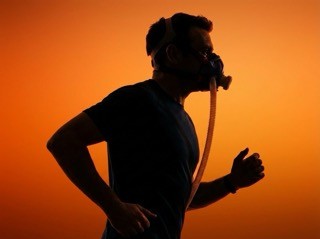
The gold standard is a CPET — a cardiopulmonary exercise test. You exercise on a bike or treadmill at progressively harder intensities while wearing a mask that analyses the gases you breathe in and out. When your oxygen consumption plateaus despite increasing effort, that's your VO2 max.
A CPET doesn't just give you your VO2 max number — it tells you why your aerobic capacity is where it is. Is your heart the limiting factor? Your lungs? Your muscles? That distinction changes everything about how you train.
Smartwatch estimates exist, but they're calculated from heart rate algorithms and can be off by 10–20%. Useful as a rough tracker, not as a diagnostic tool.
Can You Improve It?
Yes, significantly.
VO2 max is trainable at any age. The most effective interventions include:
Zone 2 training: Sustained, low-intensity aerobic work (think: you can hold a conversation, but only just). This builds the aerobic base.
High-intensity intervals (HIIT/HIIT): Short bursts at near-maximal effort push the ceiling upward.
Consistency over months: VO2 max adaptations aren't quick. Expect meaningful change over 3–6 months of structured training.
The research is clear that even people in their 60s, 70s, and beyond can meaningfully improve their VO2 max with the right training — and that improvement translates directly into reduced disease risk and better quality of life.
The Bottom Line
VO2 max is not a niche metric for triathletes. It's arguably the single best snapshot of your cardiovascular health and long-term longevity — and it's something you can actually change.
Most people will never measure it. That's exactly why measuring it is an edge.
[PLACEHOLDER — add personal story / patient anecdote here]
[PLACEHOLDER — add call to action / link to SPNstride]